 Chanming New Energy
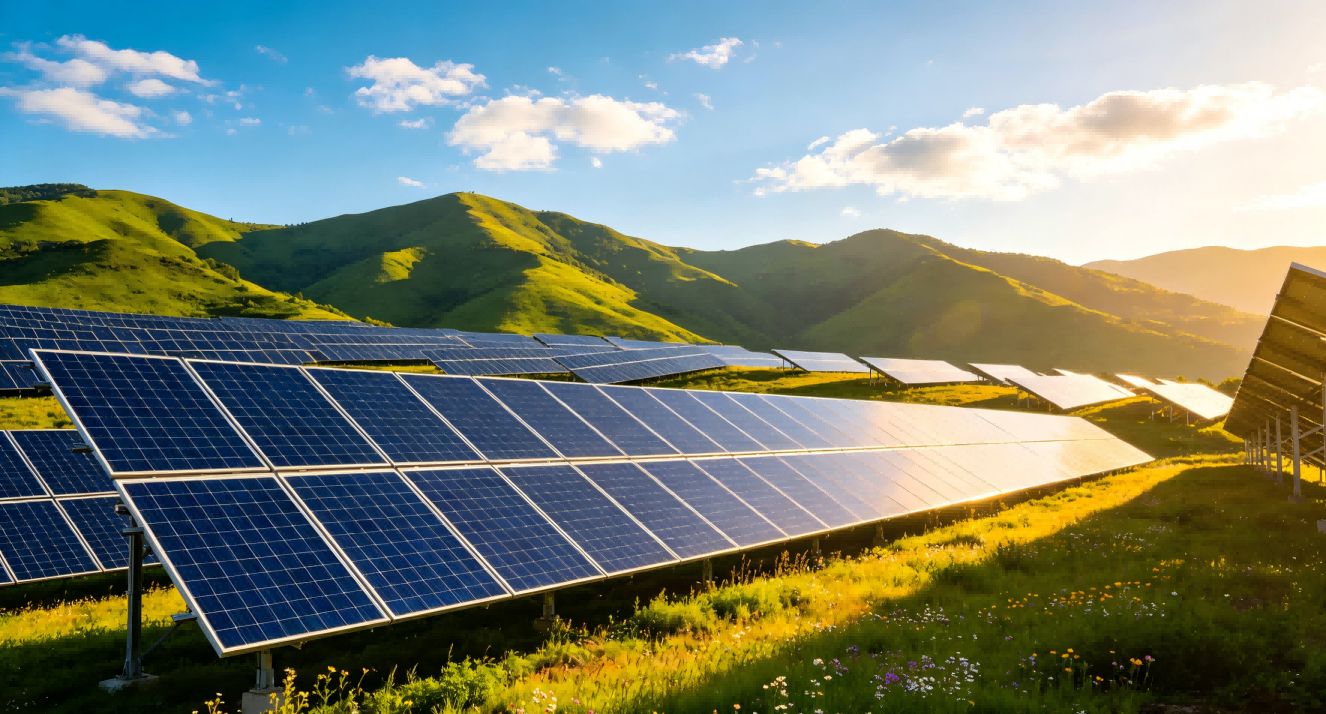
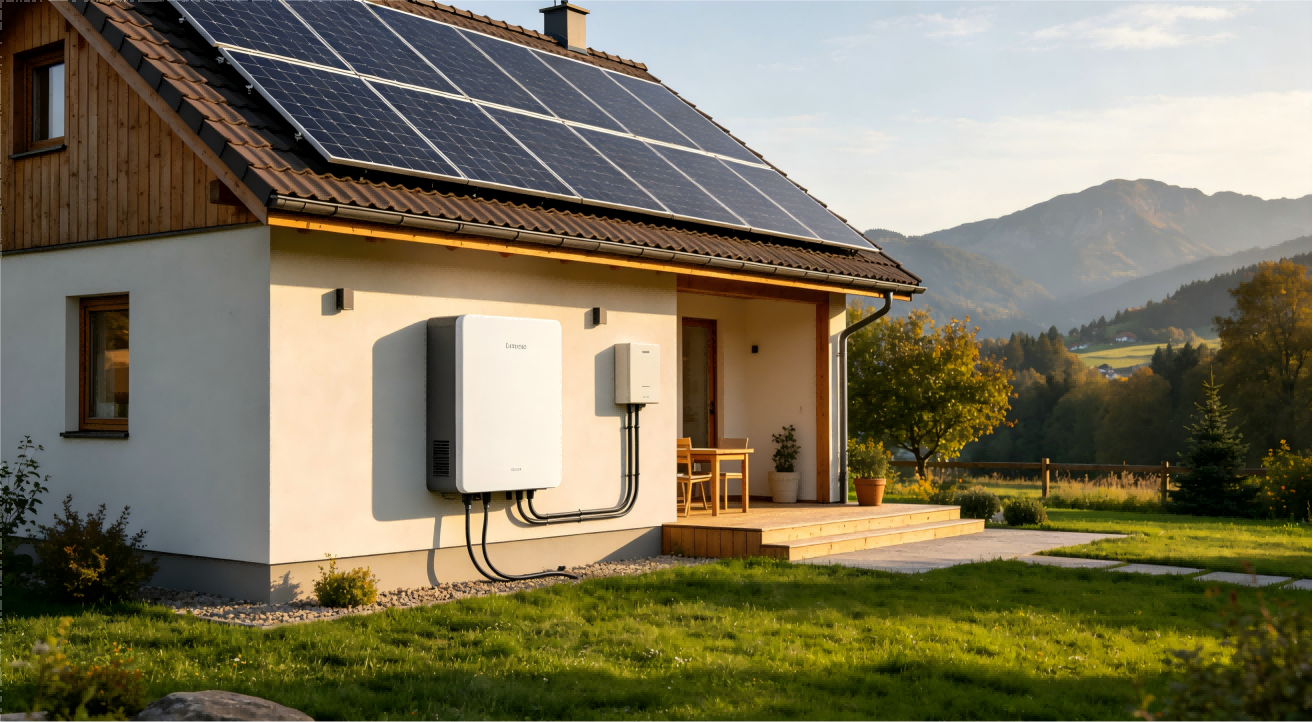
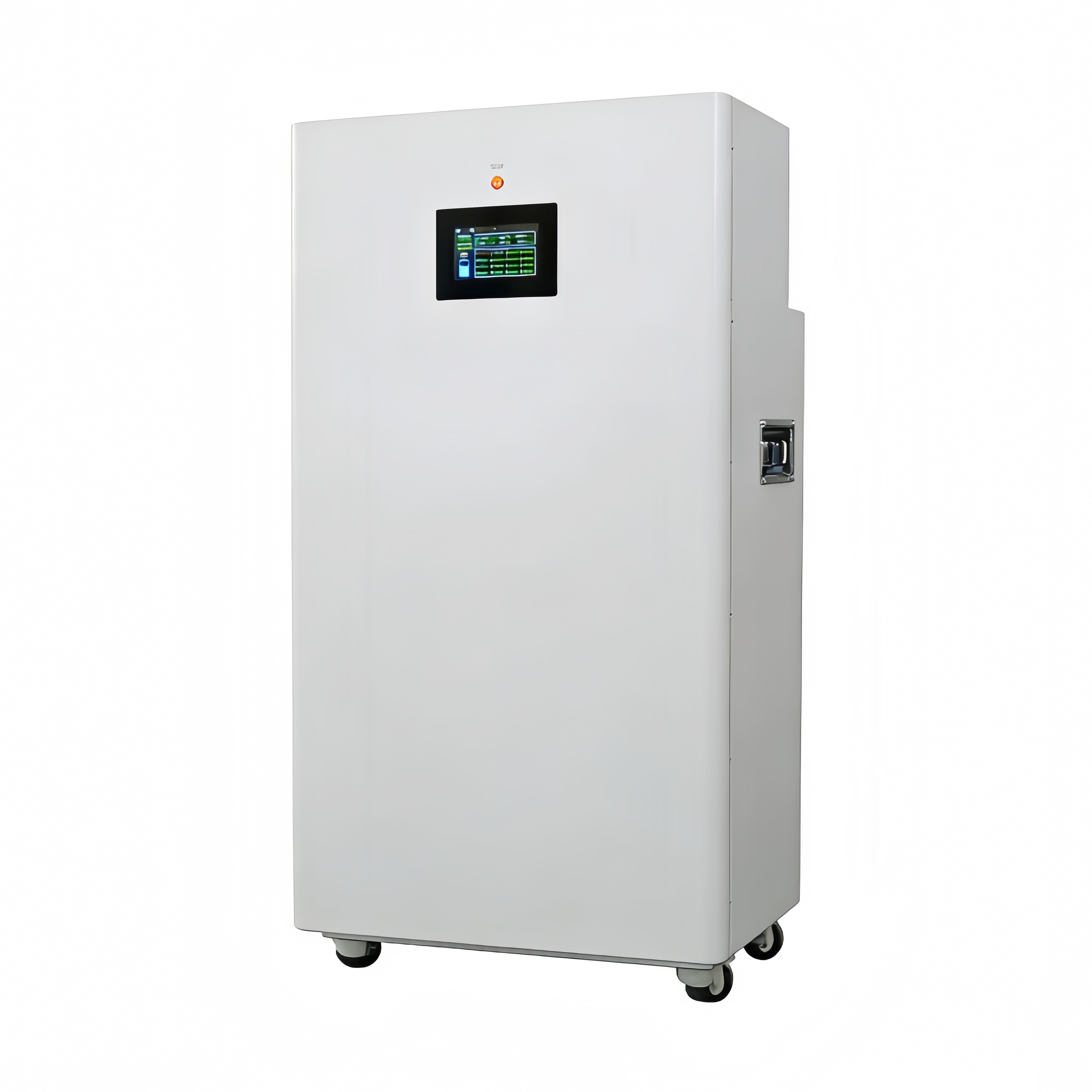
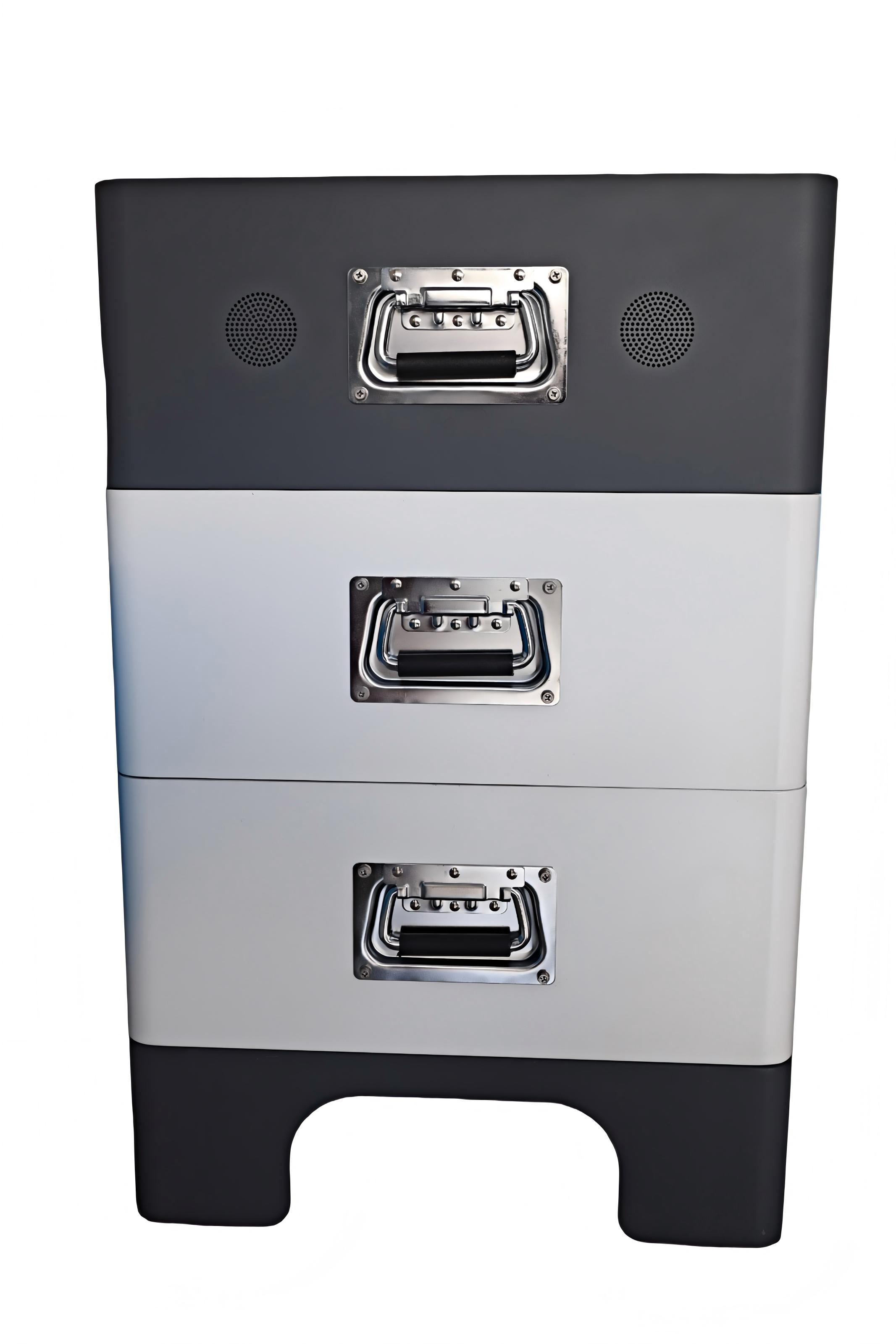
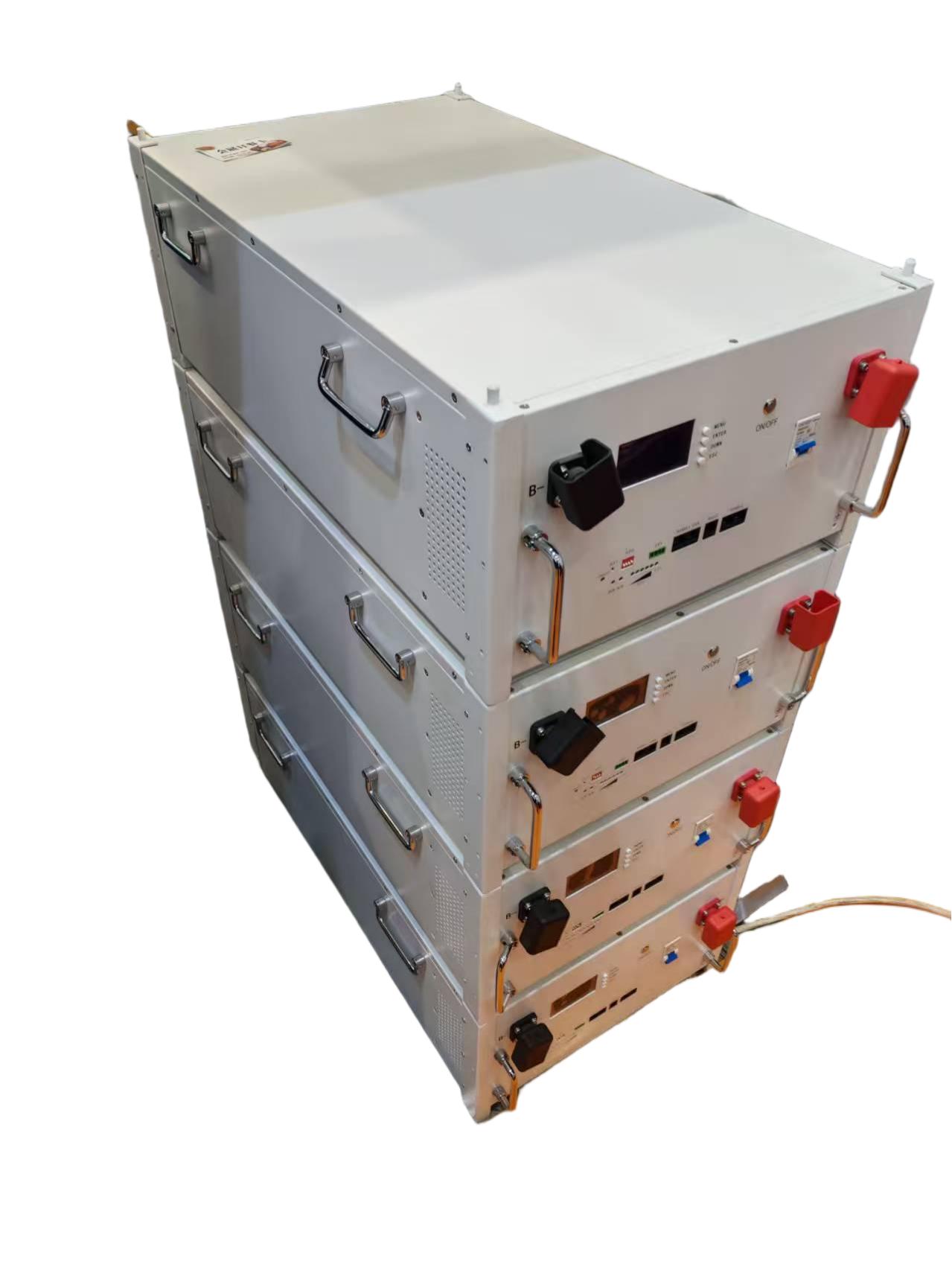
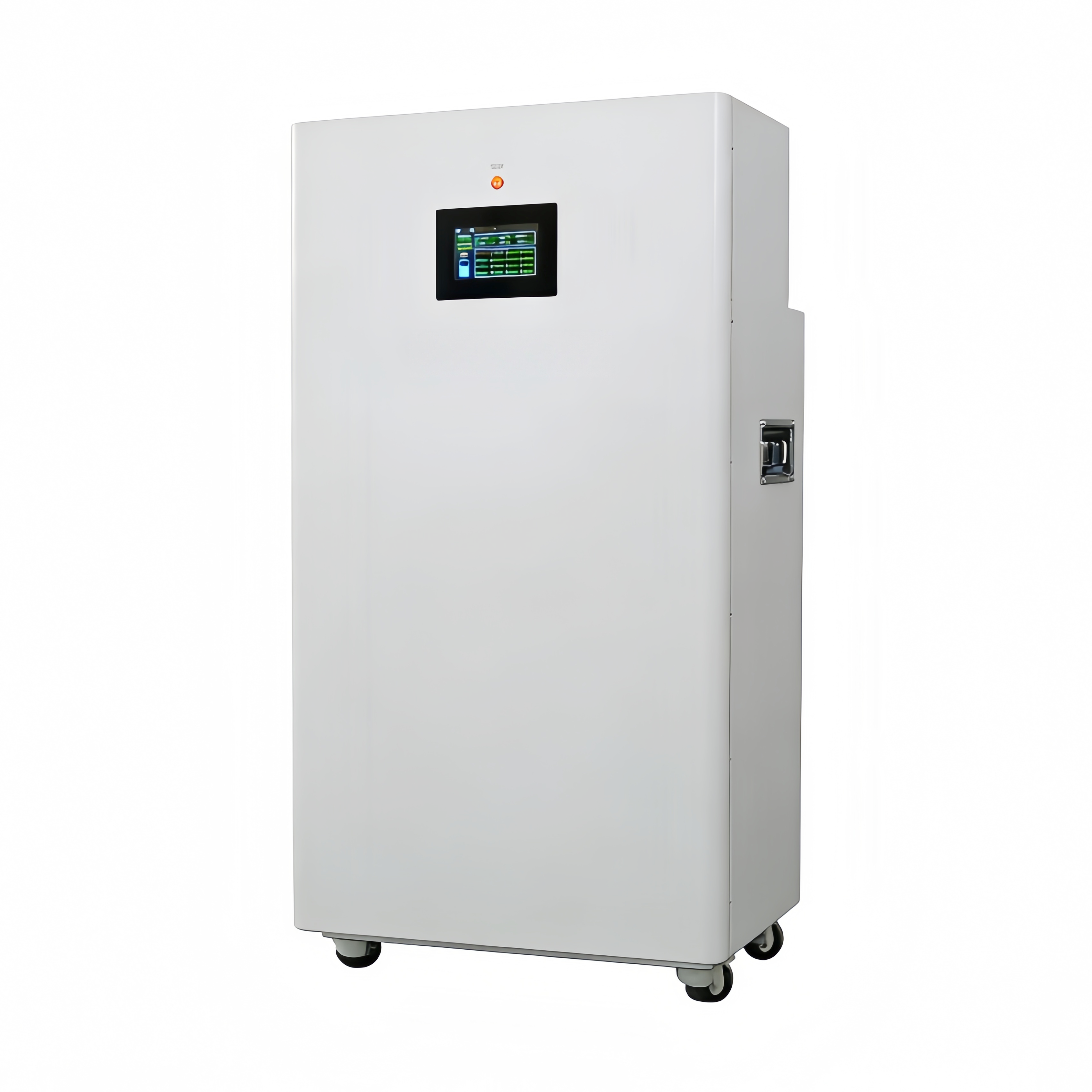
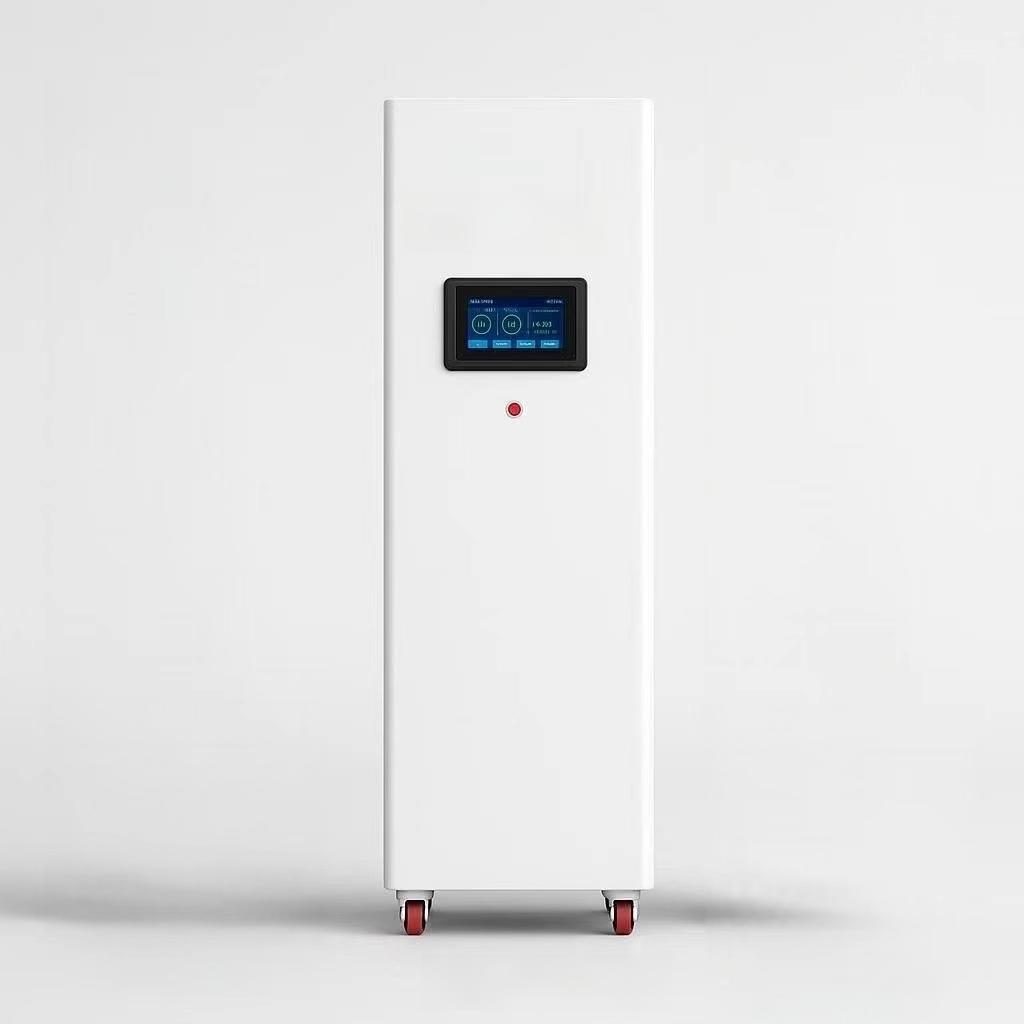
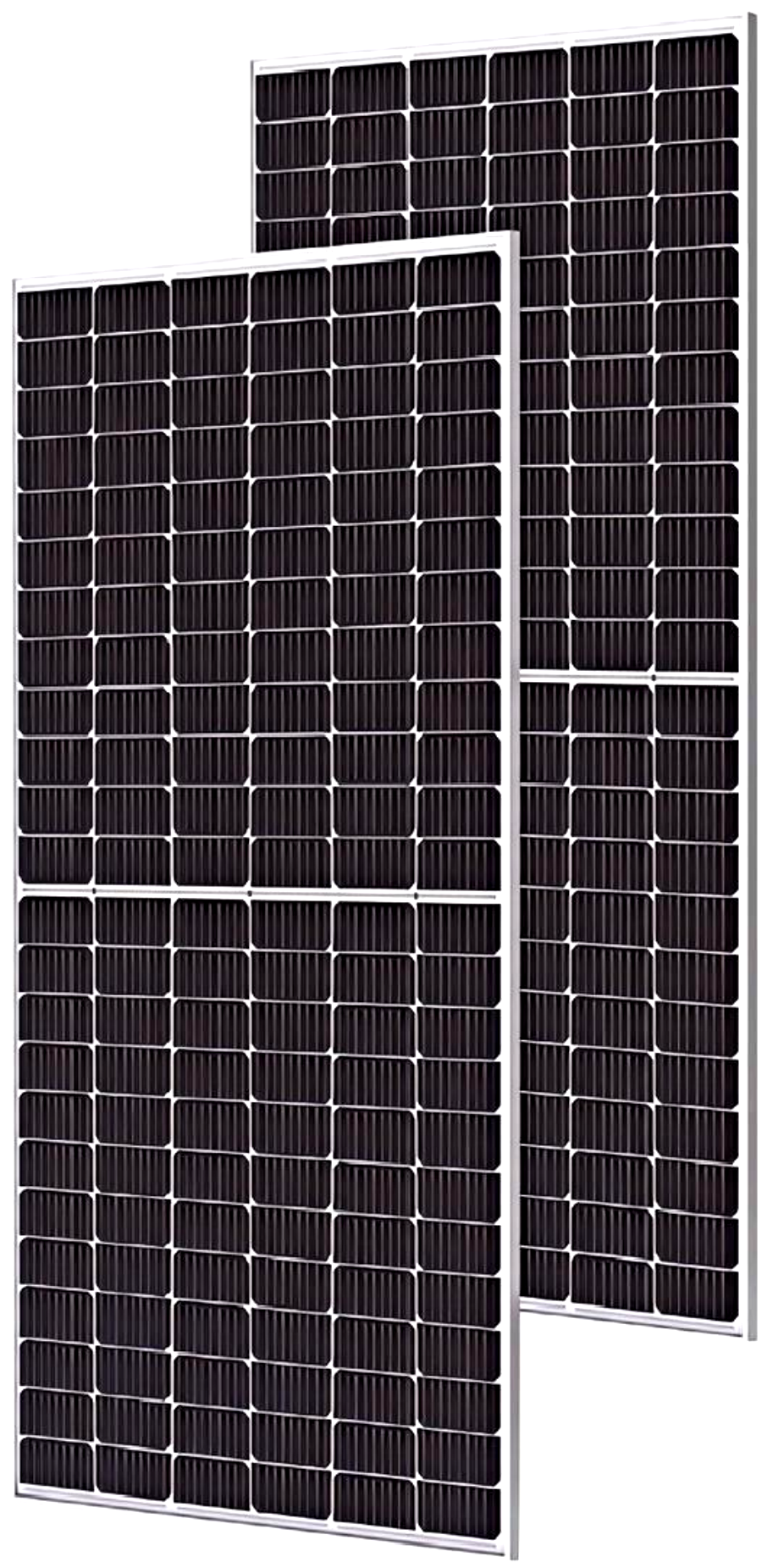
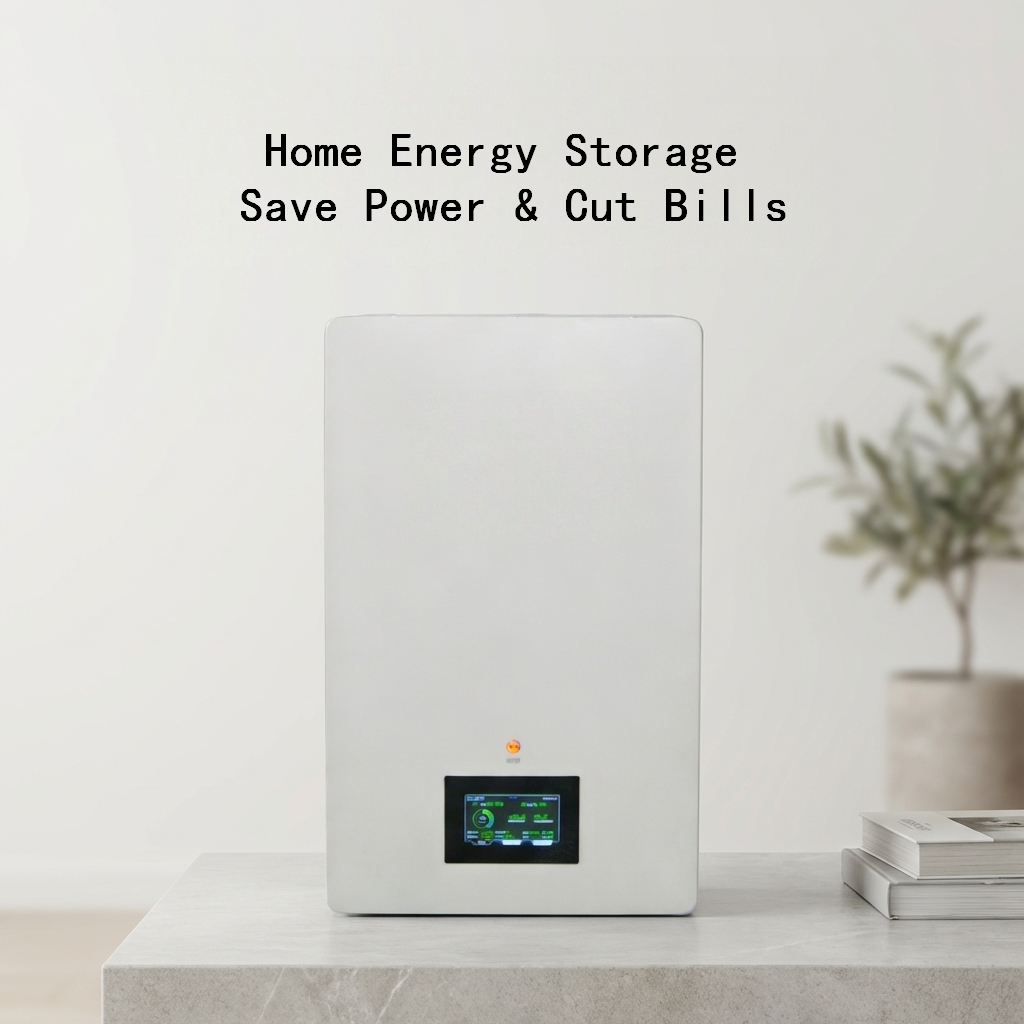
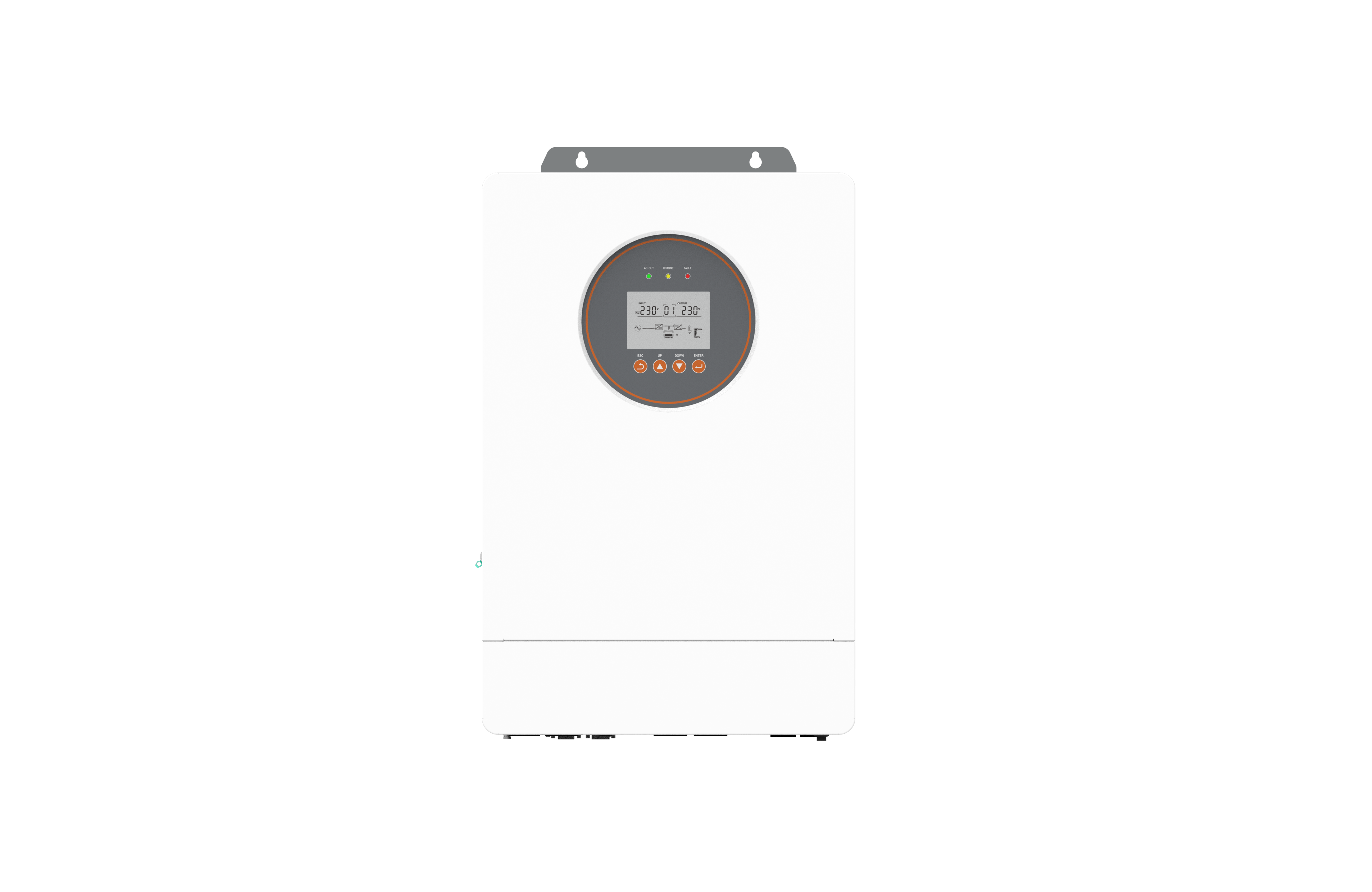
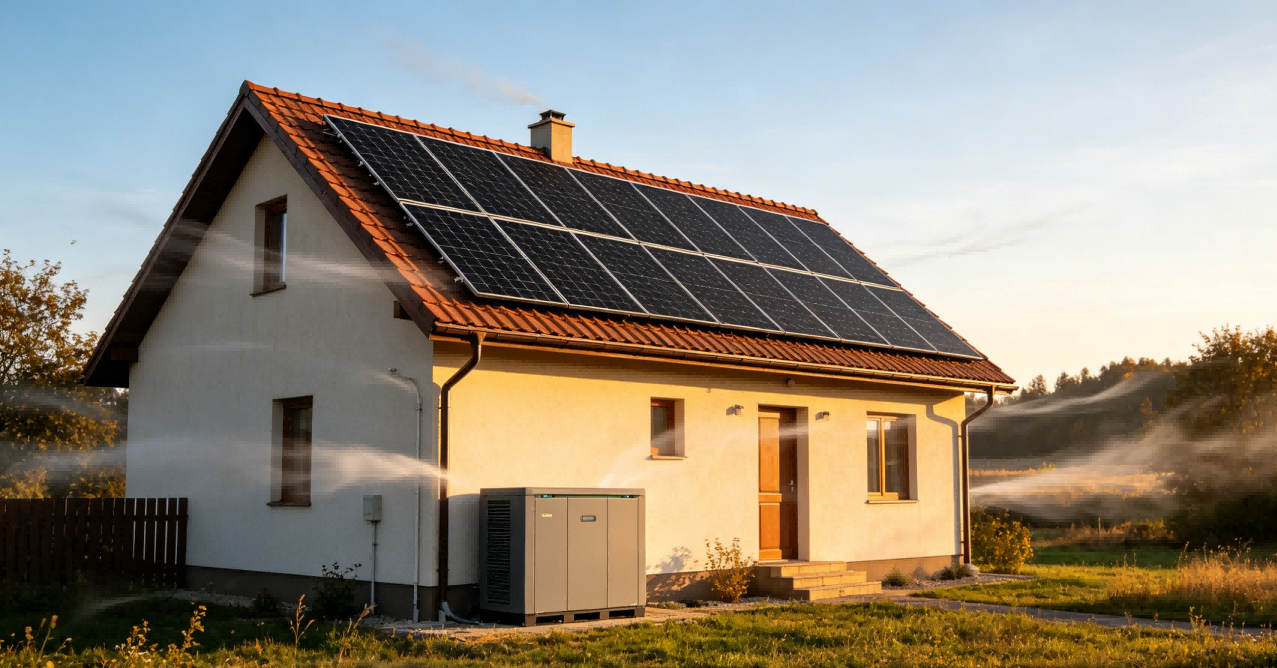
The 16KW Residential Energy Storage System (ESS) is a high-performance, intelligent energy solution designed for overseas household applications, particularly in regions with high electricity costs, unstable grid supply, or growing renewable energy adoption such as Europe, Australia, and Southeast Asia. This system integrates advanced lithium iron phosphate (LiFePO₄) battery technology, a bi-directional hybrid inverter, and an intelligent energy management system (EMS) to deliver reliable, cost-effective, and sustainable power for modern homes. With a rated power output of 16KW and flexible battery capacity configurations ranging from 20kWh to 40kWh, the system is capable of powering an entire medium-to-large household, covering all essential and high-power appliances including air conditioning, electric water heaters, kitchen appliances, lighting, and home entertainment systems. The solution supports three primary operation modes: self-consumption optimization, time-of-use (TOU) arbitrage, and backup power (UPS) mode, ensuring maximum energy independence and economic benefit for homeowners.
View Details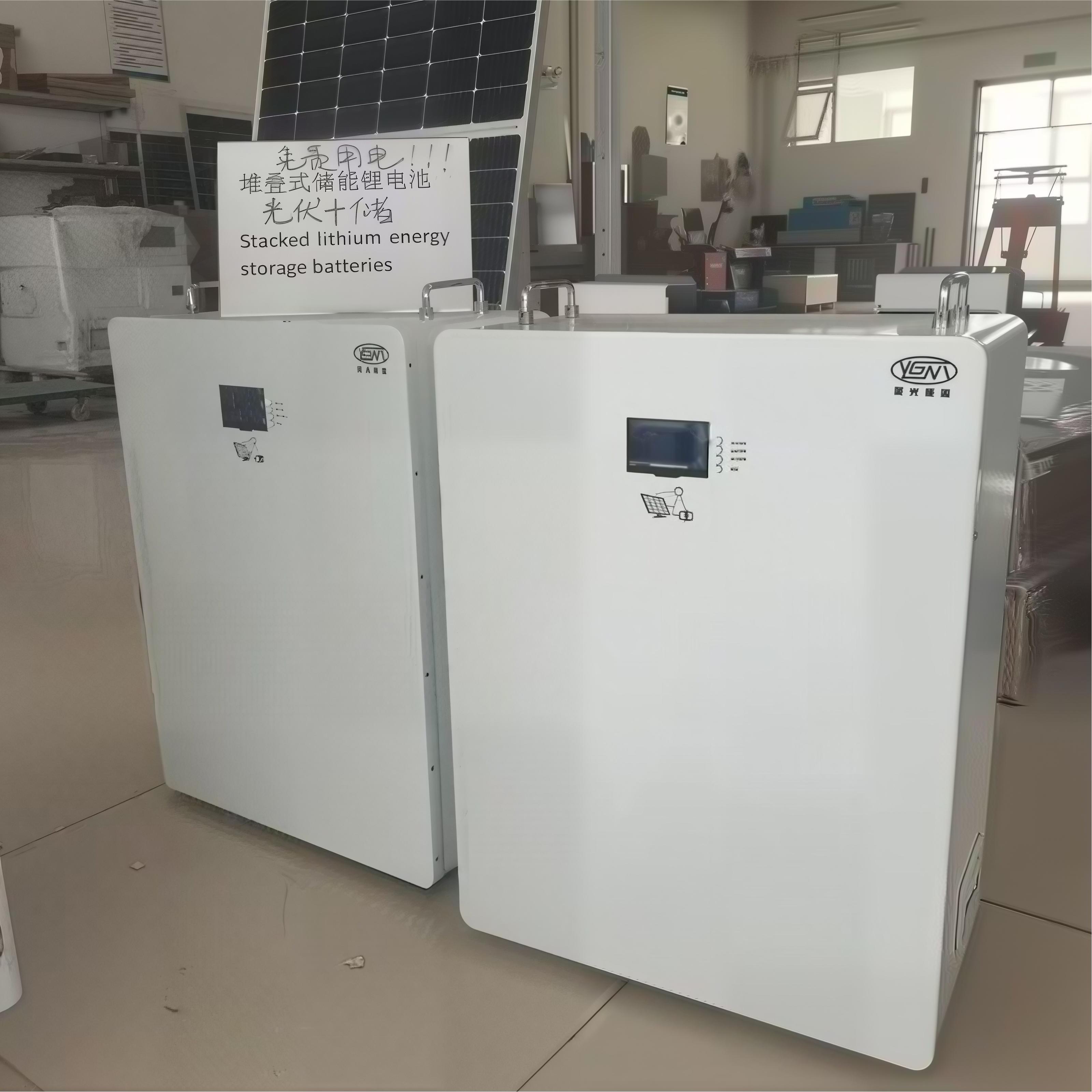
This solution applies to a standard 6KW single-phase residential energy storage system, suitable for 220V single-phase power consumption scenarios of urban and rural residential buildings. It corely realizes photovoltaic power consumption, grid peak-valley power optimization, and power outage emergency standby power supply. Centering on the core objectives of stable adaptation, safety and compliance, accurate resource matching, and modular scalability, this scheme focuses on all-dimensional scientific resource allocation without benefit calculation, serving as a pure technical implementation and configuration document. The system supports both grid-tied and off-grid dual operation modes, adapting to various residential power consumption scenarios including daily self-use, emergency power backup and independent power control. It complies with national and industrial standards such as T/CEC 5113—2025 Design Specification for Residential Photovoltaic Energy Storage System, GB/T 34131 and GB/T 36276.
View Details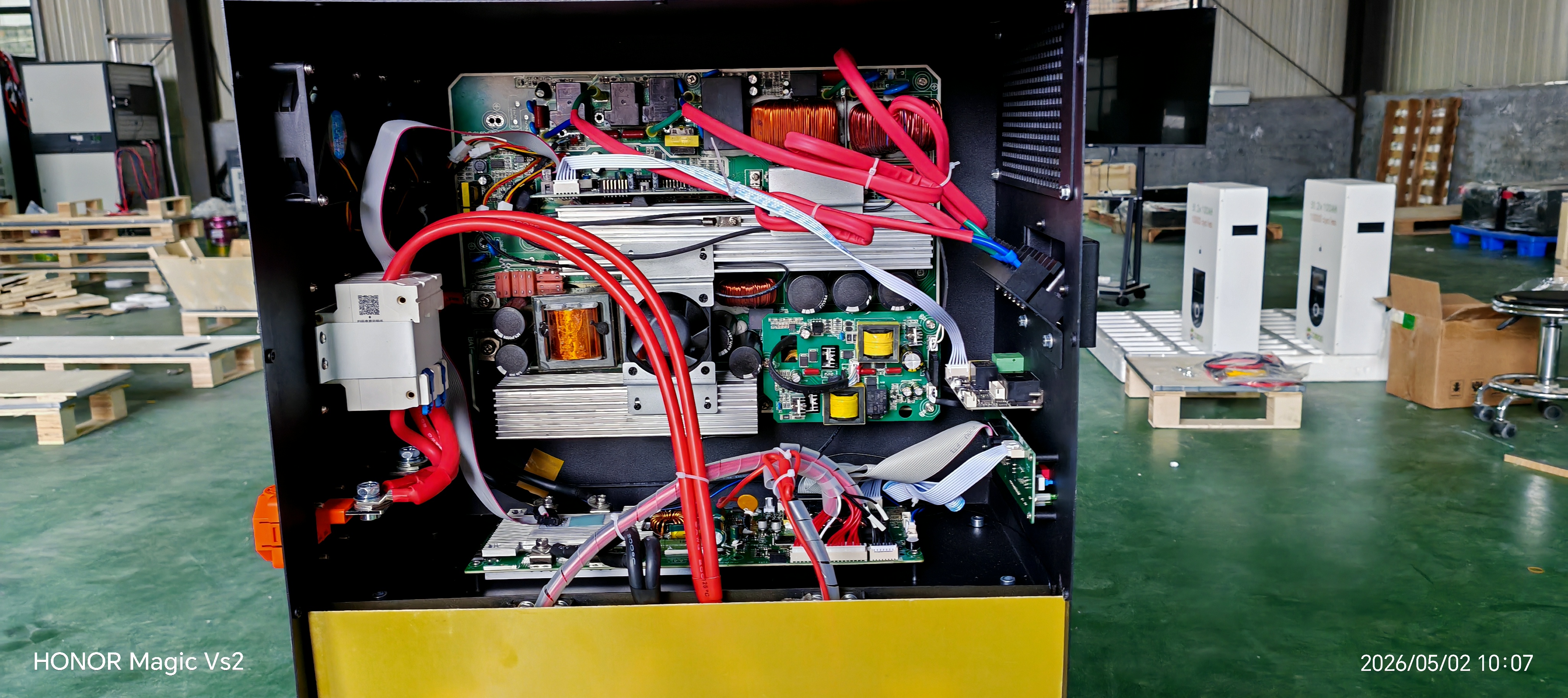
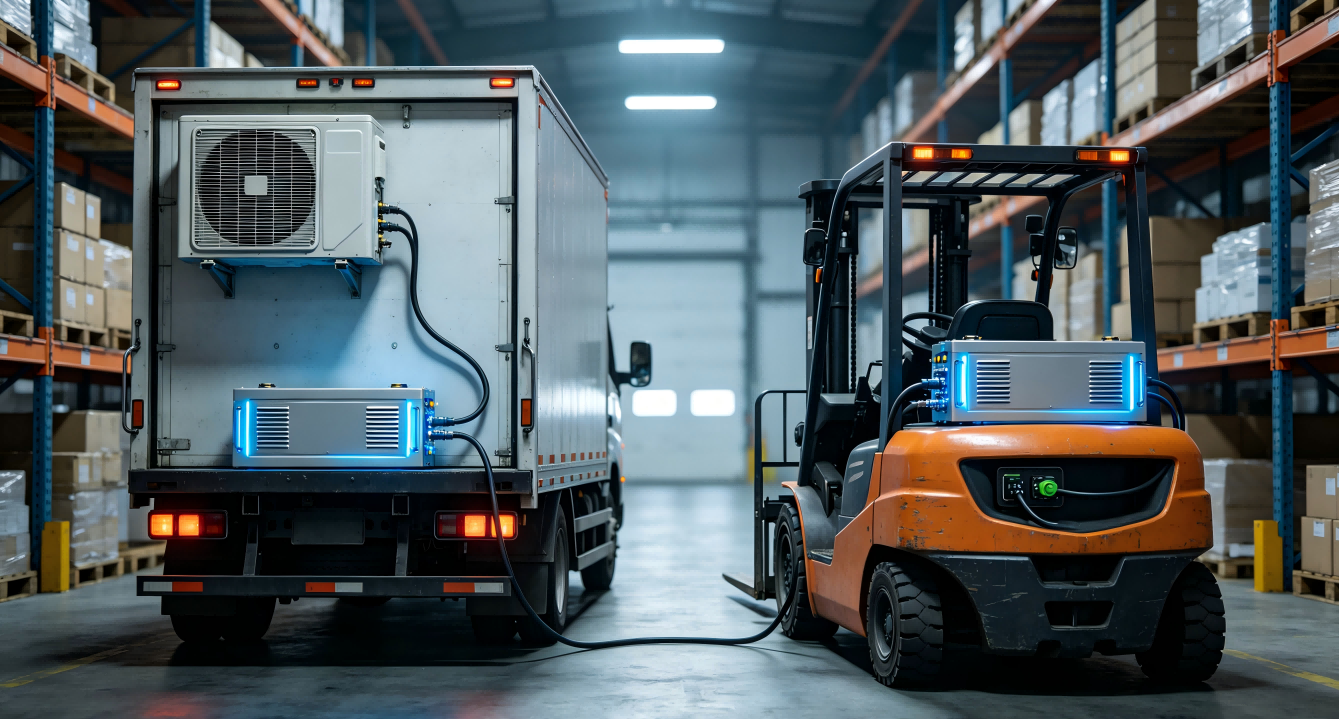
1. Scenario Pain Points Traditional lead-acid batteries for small electric forklifts have long charging time, frequent maintenance, and short cycle life. Frequent battery replacement affects operation efficiency and high use cost.
View Details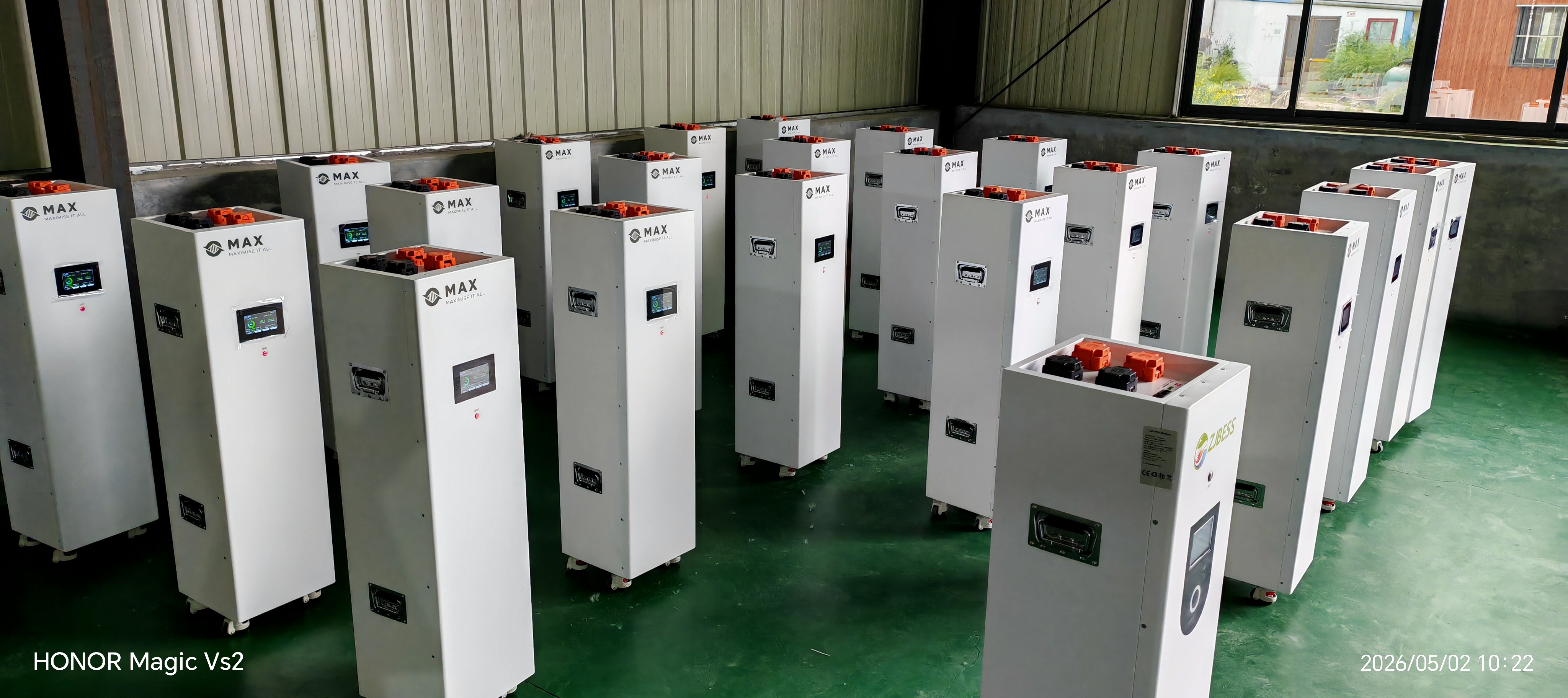
Long-distance freight vehicles operate across regions, facing problems such as difficulty in starting in extremely cold areas, insufficient endurance when multiple devices use electricity at the same time, and great difficulty in fleet vehicle management.
View Details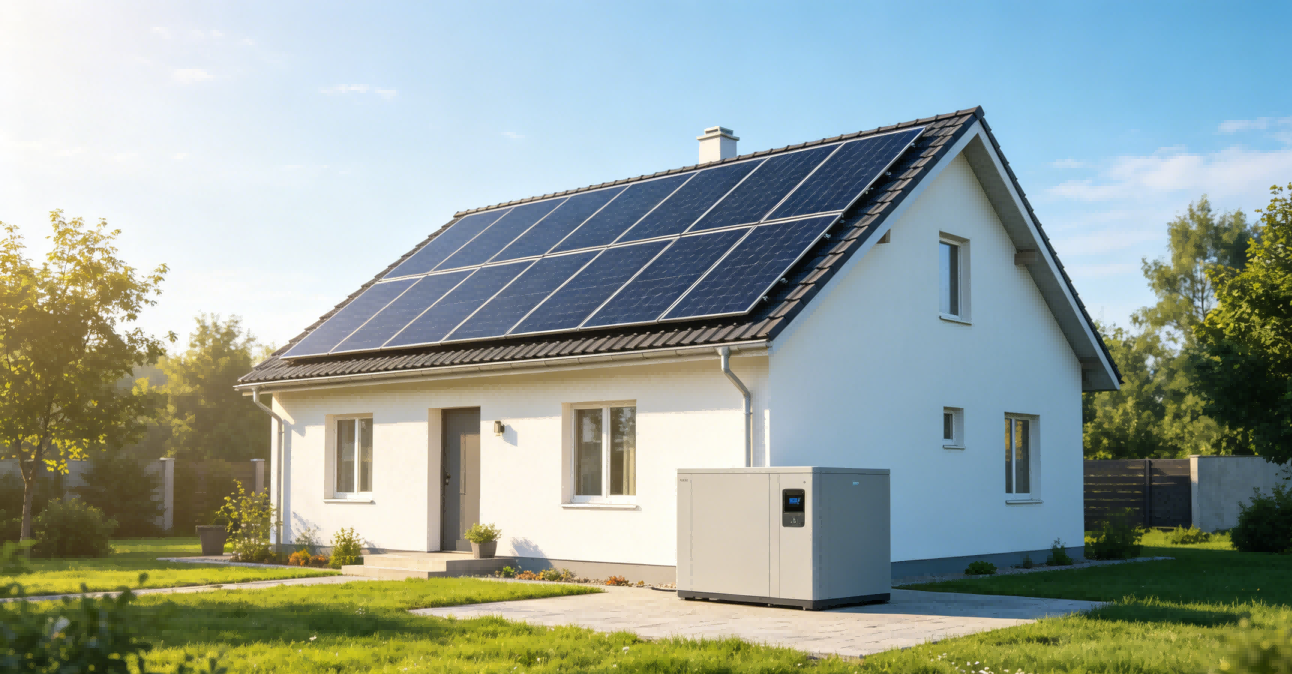
On June 15, 2026, U.S. Vice President Vance announced that the United States and Iran had reached a memorandum of understanding on the right of passage through the Strait of Hormuz, declaring the strait would remain "open long-term and free of tolls." On June 19, the strait officially resumed full navigation, reopening the world’s most critical energy artery. This historic turning point not only signals a major de-escalation of geopolitical tensions in the Middle East but also marks the official beginning of regional economic reconstruction. For households across the Middle East, this is both a hopeful signal and a sobering reminder — energy security and grid stability have never been more important.
2026-06-18 View Details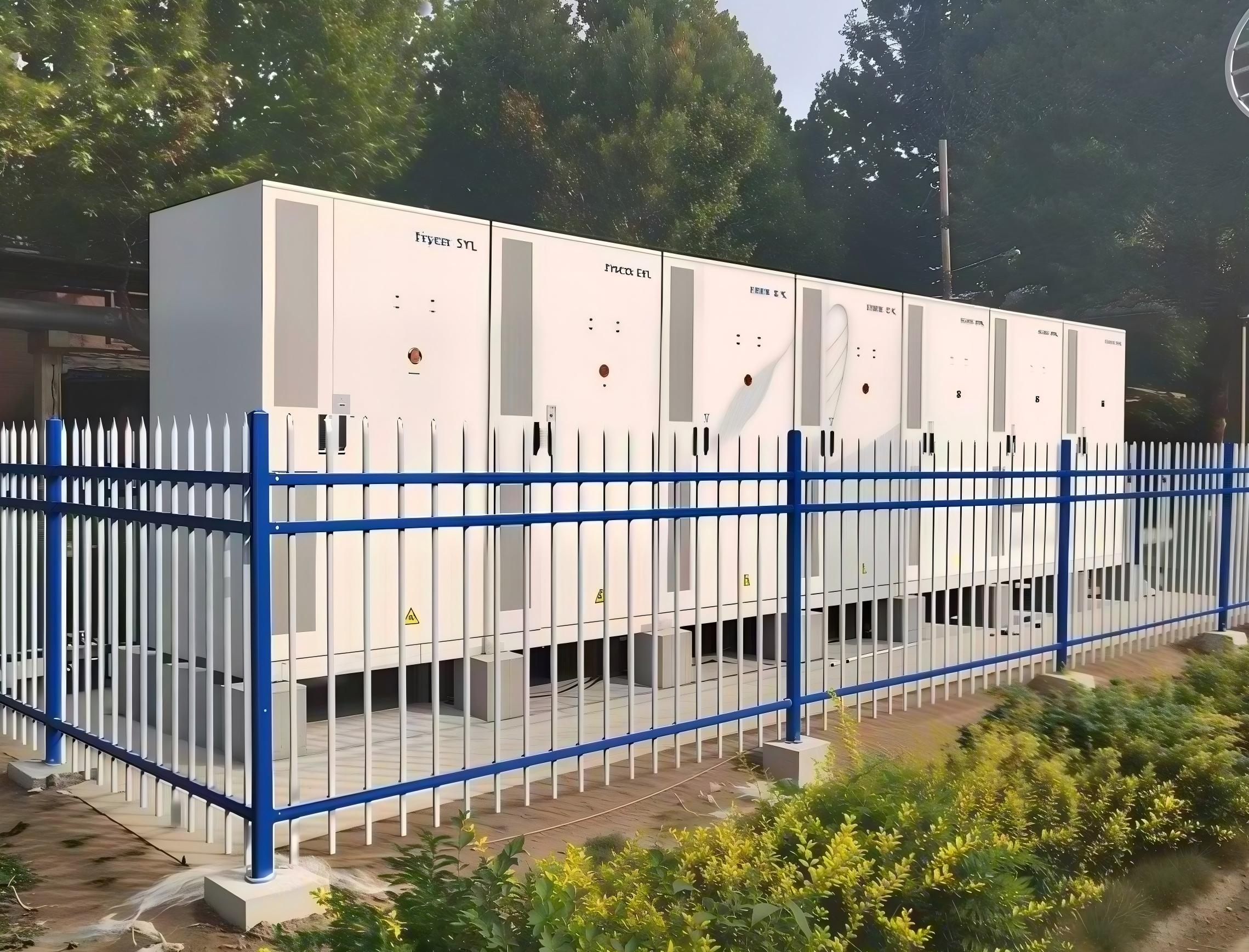
Mar 12, 2026, Amsterdam, Netherlands — GoodWe hosted an official product launch during Solar Solutions Amsterdam Exhibition, rolling out its brand-new ESA all-in-one residential energy storage system. Certified by TÜV Rheinland as the world’s first Grade A low-noise home battery unit, the new product effectively solves the long-standing noise issue of household storage equipment and consolidates GoodWe’s dominant share across Europe’s residential storage sector.
2026-06-04 View Details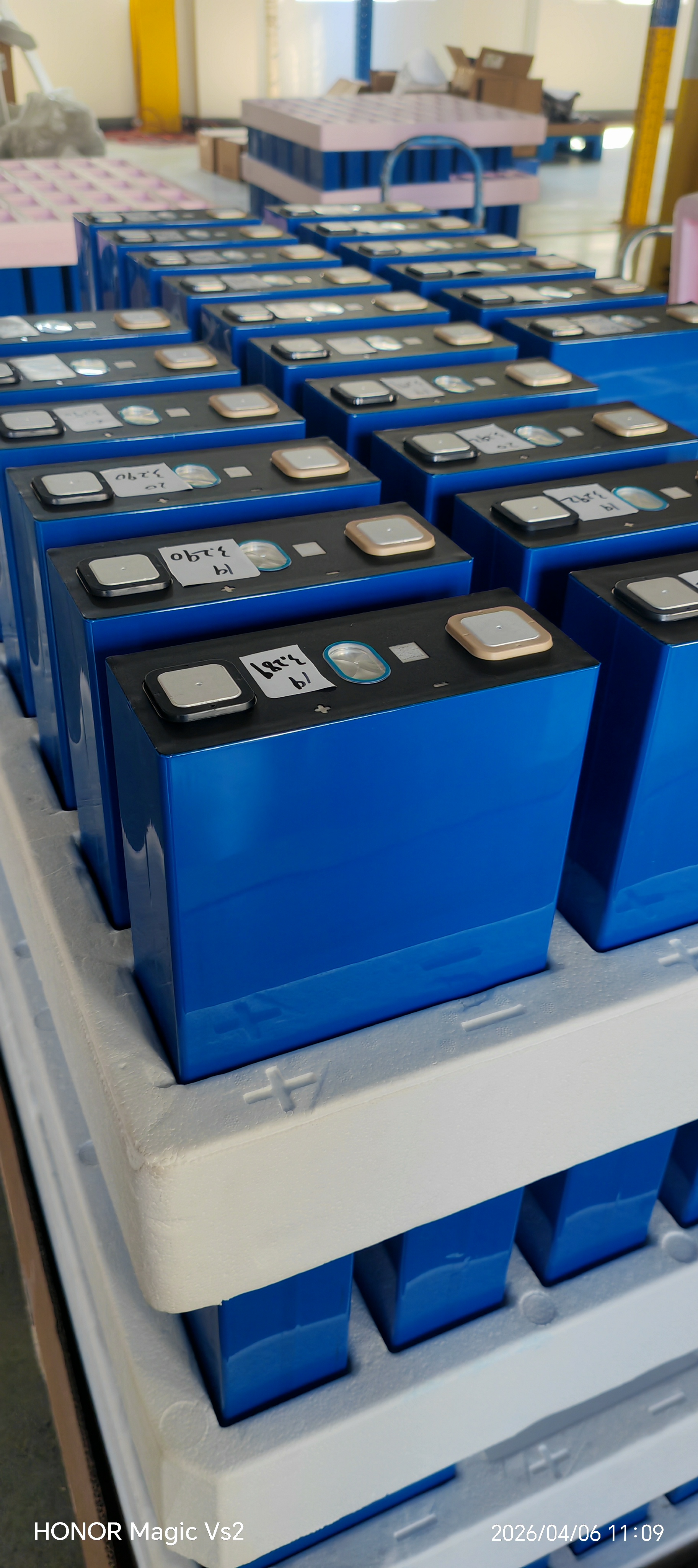
Energy storage thermal management technology is undergoing rapid iterative upgrades. Liquid cooling technology, with its superior heat dissipation efficiency and more uniform temperature field control, has comprehensively surpassed air cooling to become the mainstream thermal management solution for C&I energy storage.
2026-05-26 View Details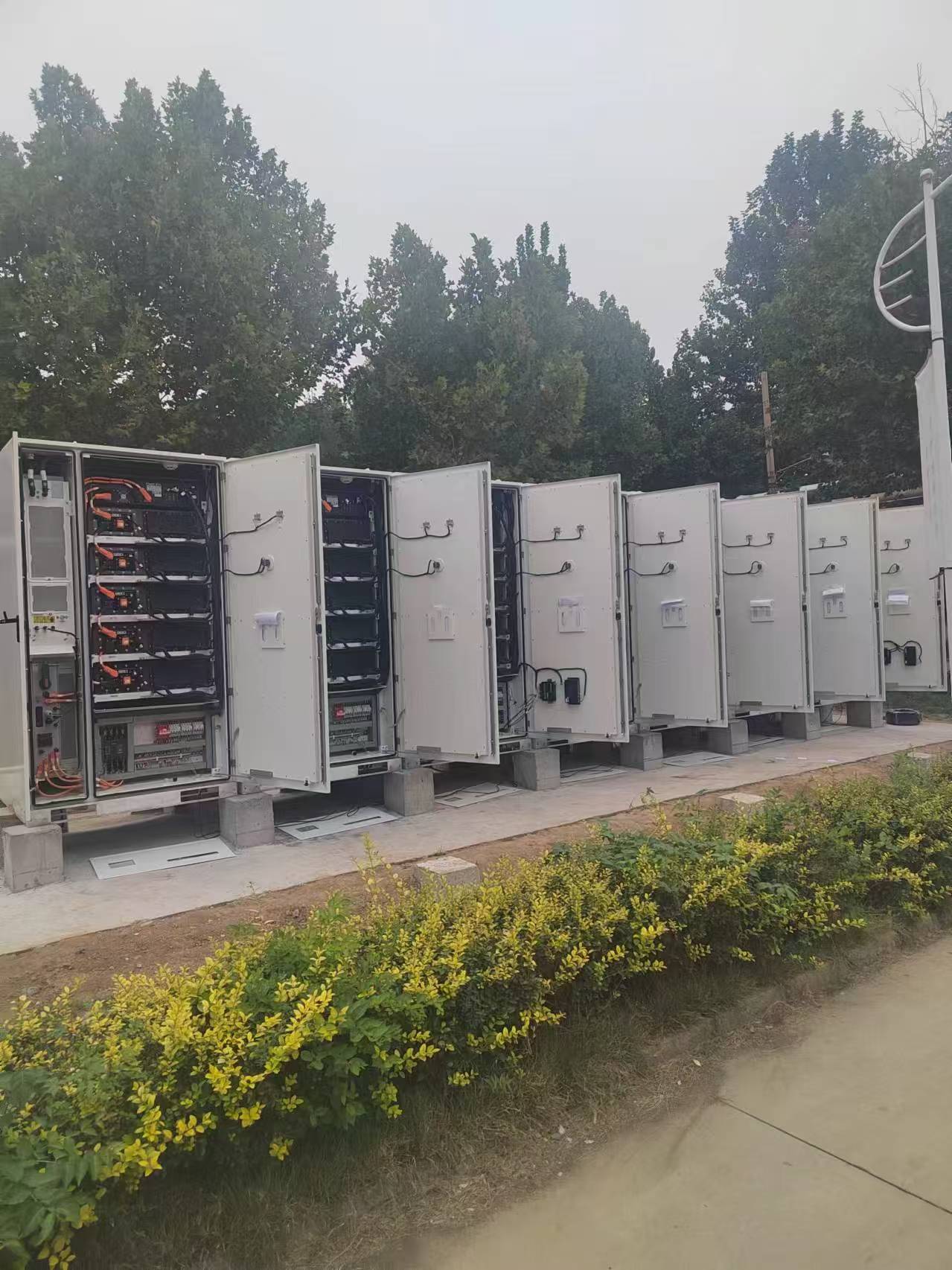
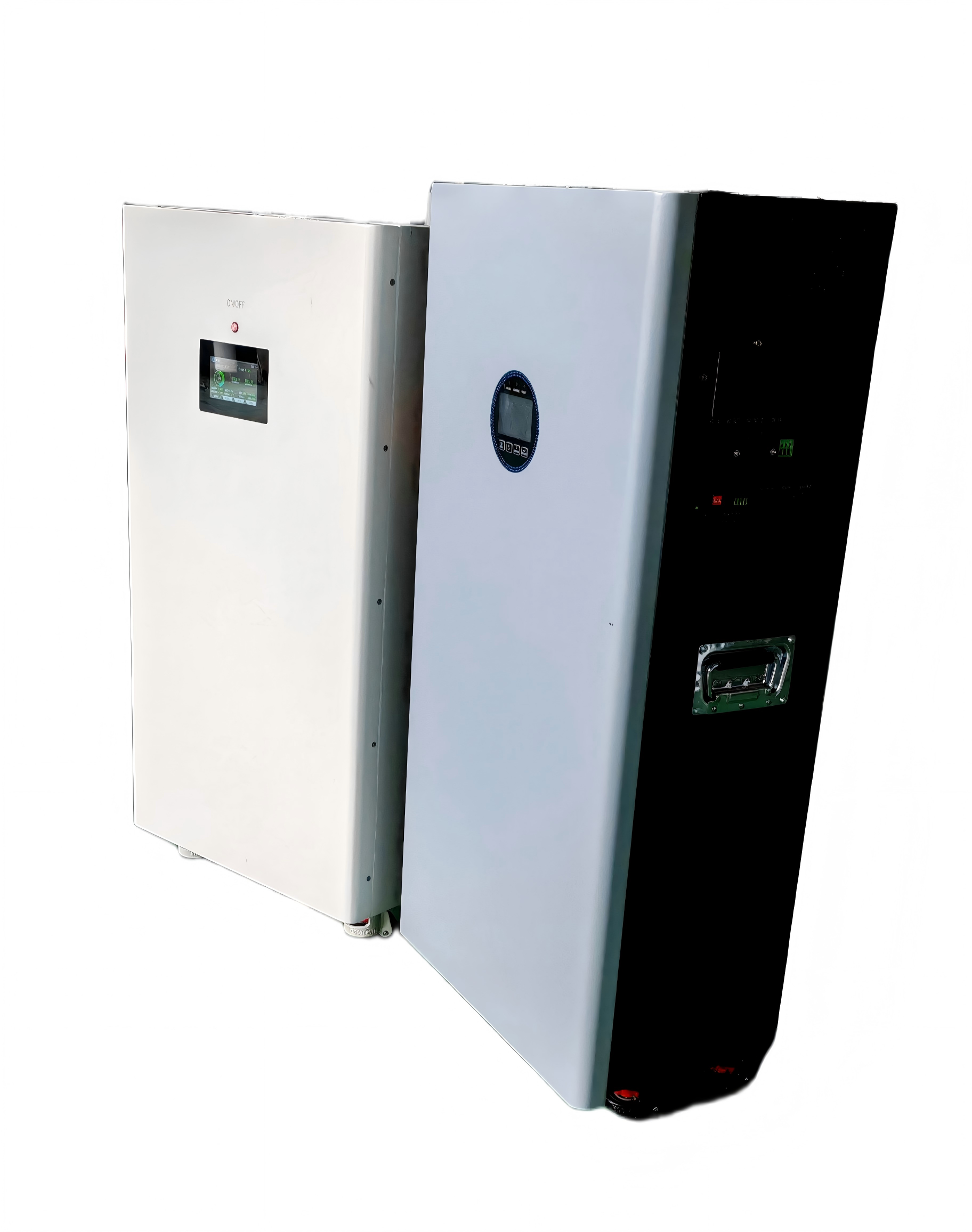
In recent years, Pakistan has experienced a remarkable "bottom-up" energy transformation. In major cities such as Islamabad, Lahore, and Karachi, rooftop solar panels paired with battery storage have become a mainstream choice for households.
2026-05-26 View Details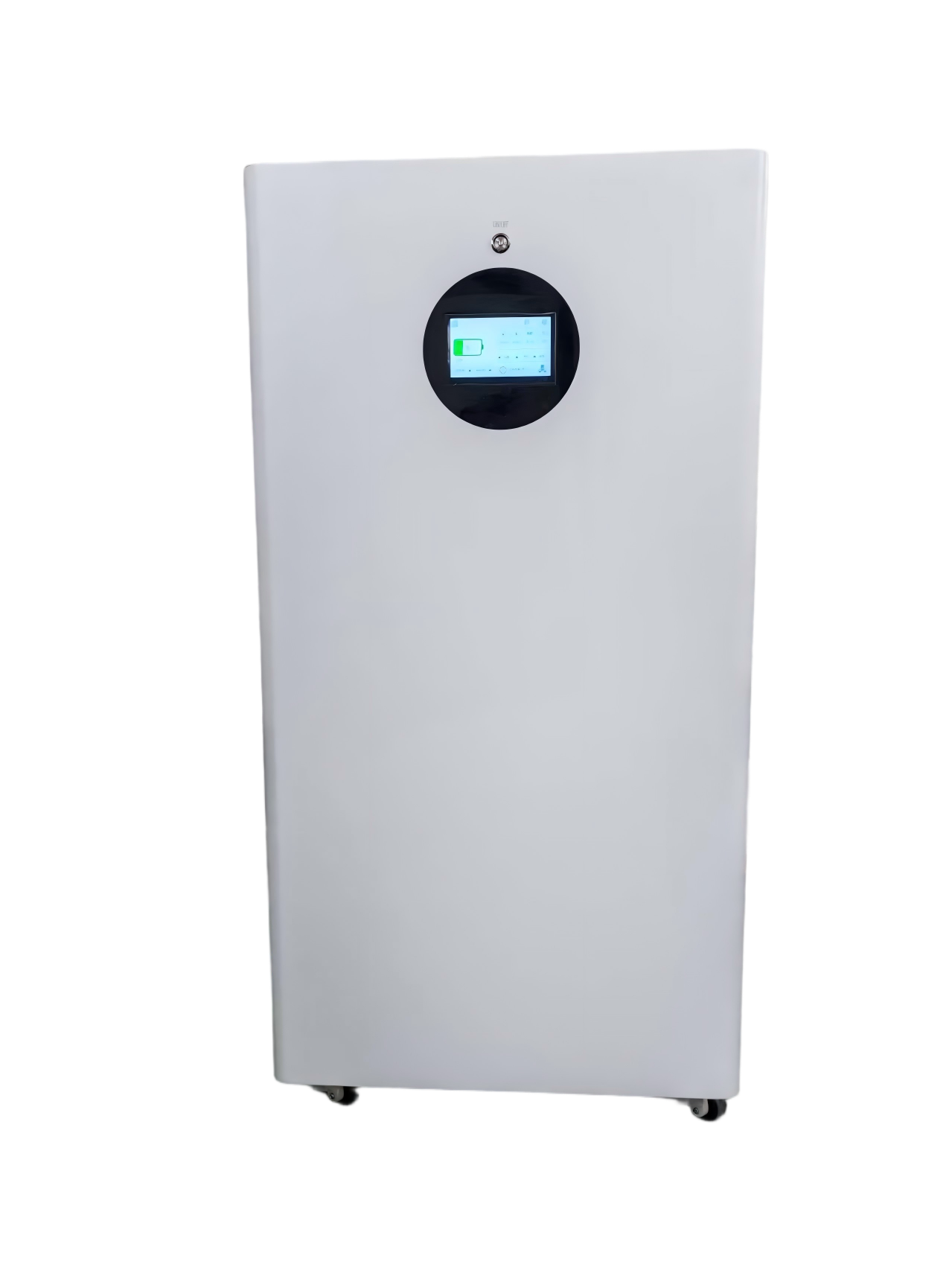
Sodium-ion battery technology is transitioning from the laboratory to large-scale application. Compared with lithium-ion batteries, sodium-ion batteries offer significant advantages including abundant raw materials, lower costs, and excellent low-temperature performance, making them particularly suitable for the high-temperature, high-humidity climate conditions of Southeast Asia and the Middle East.
2026-05-26 View Details